

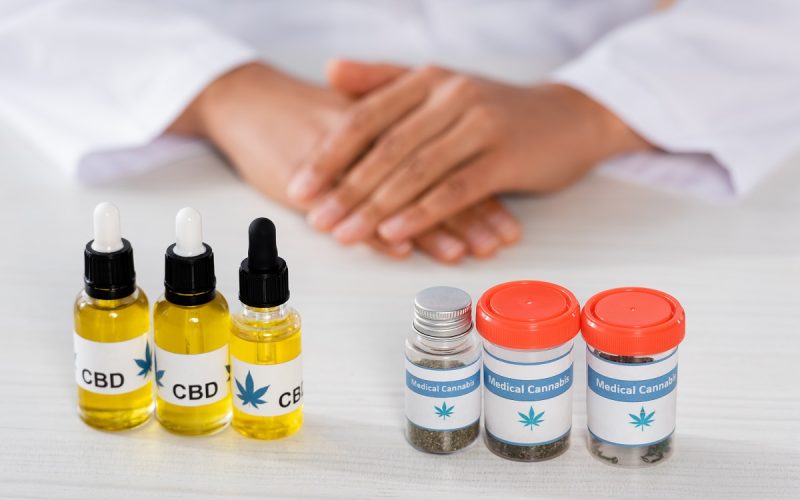
Curious if CBD can relieve chronic pain? Research suggests it may be effective, but it’s important to understand both the benefits and potential risks. While CBD shows promise for pain management, it’s important to consider the legal landscape and the quality of products available.
Despite growing interest, more clinical trials are needed to fully confirm CBD’s effectiveness for chronic pain. The lack of standardization in products, along with varying laws by region, makes it essential to carefully research and consult healthcare providers before using CBD for pain relief.
Understanding CBD and Pain
Chronic pain affects more than 116 million adults in the U.S., surpassing heart disease, cancer, and diabetes combined. Traditional pain medications often don’t work and come with risks, especially opioids. This makes alternatives like CBD particularly valuable. CBD, a non-psychoactive compound from cannabis, may provide effective pain relief without causing intoxication.
What is CBD?
 CBD (cannabidiol) is a compound found in cannabis sativa that does not cause a high. It is known for its therapeutic benefits, especially in managing chronic pain. CBD is available in many forms, such as oils, edibles, and topical creams, offering relief without the effects of THC.
Chronic Pain Overview
Chronic pain can be nociceptive, caused by injuries or inflammation, or neuropathic, due to nerve damage. Managing this pain is challenging, with few treatment options and the risks of opioids. This makes it important to explore safer alternatives, like CBD products.
How CBD Works
CBD may reduce pain by activating cannabinoid receptors in the brain. Reviews of studies show that CBD can reduce pain by more than 30% in people with fibromyalgia compared to a placebo. Its anti-inflammatory properties make it an effective option for natural pain relief.
Research Insights on CBD
Recent studies suggest that CBD products may help reduce inflammation and anxiety, attracting attention from both medical professionals and consumers. While some evidence supports their benefits for stress and chronic pain, more clinical trials are needed to confirm their safety and effectiveness. The changing legal environment also impacts CBD’s availability and research.
- Current Research: Research shows that CBD products may help relieve chronic pain and reduce opioid use. A review of studies found a 30% reduction in pain for fibromyalgia patients using CBD oil compared to a placebo. While pure CBD medications haven’t been approved, a THC-CBD combination product, nabiximols, is available, showing the challenges in isolating CBD’s effects.
- Study Quality Assessment: The quality of CBD research varies, which can affect conclusions about its therapeutic benefits. More comprehensive clinical trials and peer-reviewed studies are needed to validate CBD products, especially with growing interest since 2016.
- Effectiveness of CBD for Pain: CBD products seem to affect different types of chronic pain in various ways, with the level of relief depending on dosage and individual factors. Many people report noticeable benefits when using CBD for muscle damage and recovery. Adjusting CBD treatments to fit an individual’s pain profile can improve effectiveness, making personal experiences key in treatment planning.
- Safety and Side Effects: CBD, especially in its pure form, is generally safe but may cause fatigue and digestive issues. It’s important to be aware of possible drug interactions, particularly since CBD has been used in chronic pain management since 2003. This highlights the need for more research into its long-term safety.
Benefits and Risks of CBD
CBD has gained popularity for its potential to help with anxiety, chronic pain, and sleep. While many are turning to it as a natural remedy, it’s important to understand both its benefits and the possible risks before use.
Potential Benefits
 Pain Relief: May help with anxiety, chronic pain, and sleep.
- Chronic Pain Management: Non-psychoactive compound in cannabis that can aid in chronic pain management.
- Fibromyalgia Relief: Fibromyalgia patients report over 30% pain relief compared to a placebo.
- Reduced Opioid Use: Many users reduce opioid use after 8 weeks and experience less pain, especially with arthritis and cancer.
Possible Risks
- Side Effects: Can cause drowsiness, dry mouth, and appetite changes.
- Precautions for Pregnant Individuals: Pregnant individuals should be cautious due to potential risks.
- Quality Control Issues: The unregulated CBD market may lead to mislabeling and quality issues.
- Consultation with Healthcare Providers: It’s best to consult a healthcare provider before using CBD, particularly if pregnant or with health concerns.
Considerations
- Drug Interactions and Quality Variability: Users should be aware of possible drug interactions, inconsistent product quality, and the lack of long-term studies.
- Evolving Regulations: As regulations evolve, weigh the benefits and risks before using CBD.
Legal Considerations
CBD’s legal status varies by region and THC content, so it’s important to verify local laws before use. While federal law classifies cannabis as a Schedule I substance, the 2018 Farm Bill allows hemp-derived CBD with less than 0.3% THC. State regulations differ, with some states like Colorado and California having more lenient rules, while others are stricter, causing confusion.
The FDA regulates CBD to ensure safety, banning its use in dietary supplements without sufficient clinical trials. Clear labeling and standardized dosing are essential to avoid misuse and side effects. While high-quality CBD can be expensive, cheaper products may be mislabelled, so it’s important to research thoroughly before purchasing.
Public Perception and Awareness
Public perception of CBD for chronic pain management has evolved, with many now seeing it as a legitimate treatment rather than a stigmatized substance like marijuana. CBD is non-psychoactive, making it an attractive option for those seeking pain relief without the high.
 While some still view it as illegal, it’s legal in many areas, and research supporting its effectiveness is growing. Younger individuals are more open to CBD, largely due to online information and a preference for natural remedies, while older adults are also turning to CBD as an alternative to traditional medications.
Educating the public about CBD is key to dispelling myths and fostering informed decisions. Organizations like Project CBD provide balanced information, while healthcare providers play an important role in advising patients about the potential benefits of CBD for pain management.
Use CBD For Your Chronic Pain Now!
CBD shows promise for chronic pain but isn’t a guaranteed solution. Research yields mixed results; some find relief, while others don’t. Legal regulations can be complex, so know the rules in your area.
Public opinion varies widely—some praise it, while others doubt its efficacy. It’s essential to research and consult your doctor before trying CBD. Our guide aims to clarify these topics and help you assess if CBD is right for you.
Stay informed with CBD Buzz Report for the latest insights on CBD and chronic pain management.
