

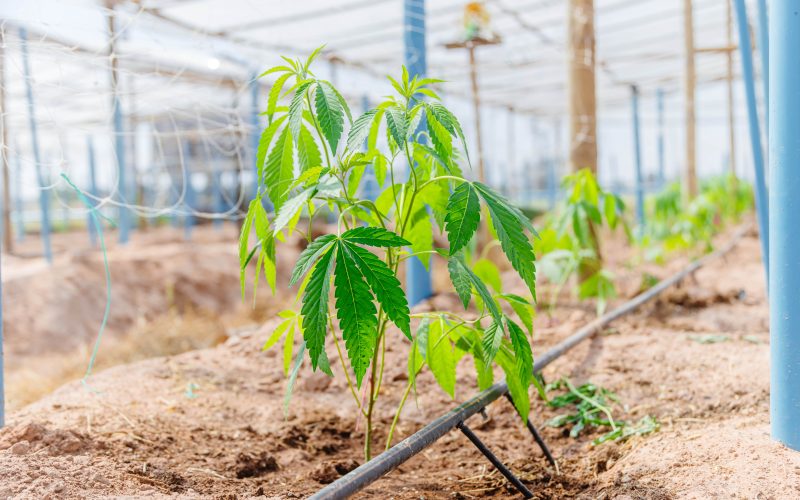
Home cultivation is convenient for guaranteeing quality, saving money, and having a very rewarding hobby. Healthy plants can be grown in the ground or indoor or outdoor containers. You just need the right knowledge to develop a thriving garden. Consistent lighting, choice of soil, and temperature are all factors to be considered in getting the best out of the activity.
Whether growing Cannabis for personal use or as part of a larger project, home cultivation provides both freedom and valuable learning experiences. CBD Buzz Report can give you more ideas on how to grow one.
What is Cannabis Cultivation
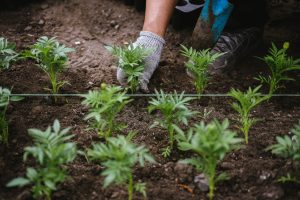 The process of growing cannabis plants, including their seeds and flowers, is done for medicinal, recreational, or industrial purposes. It begins by choosing the highest quality seeds possible, such as feminized seeds, which guarantees all female plants that produce flowers.
Autoflowering seeds are excellent for novices because they grow rapidly and do not need changes in lighting to flower. The growing environment is important; indoor growing will allow better regulation of light, temperature, and humidity with items such as grow lights.
Growing outdoors is more economical but it depends on whether the weather has been good enough. Organic farmers can use practices such as hydroponics. Plants grow in nutrient-rich water. Caring for plants entails more than merely watering; it involves pruning to provide air, and periodic soil or water testing for pH content. With every growing stage from a seedling through to the flower, the seedlings are monitored for proper and healthy plants during harvest.
Preparing to Grow Cannabis
Cultivation of cannabis requires proper planning and preparation to ensure maximum growth and yield. First, one needs to choose the right strain that will suit the intended use, whether medicinal or recreational.
Choosing the Right Cannabis Strain
There are three kinds of cannabis, namely sativa, indica, and ruderalis, and they have characteristics that fit best with personal preference and climate conditions. Sativa strains produce a lively high and are the best for outdoor growers. Indica strains grow shorter and more bushy and are best used indoors. Ruderalis strains are known to grow fast and flower automatically. Hybrid strains combine traits of both and give growers even more options. Understanding these traits will help you align your goals with the best strain for your environment.
Setting Up a Growing Space
As a grower, avoid creating an afterthought space. Indoor growers use spare rooms, closets, or tents, while outdoor growers look for hidden areas with sufficient sunlight and ventilation. Indoor setups allow for better control of temperature and humidity, while outdoor conditions depend on nature. Cannabis plants need at least 16 hours of light daily during the vegetative stage and a strict 12-hour light/dark schedule during flowering. New farmers need to use horticultural resources to help their crops grow.
Selecting Quality Equipment
Quality equipment investment is important in healthy cannabis production. When growing indoors, one might need to grow lights, like LED, HPS, or fluorescent lights, as LEDs are energy efficient and have a long lifetime. Good ventilation with exhaust fans and carbon filters would be essential in an indoor setting. Outdoor users may require stakes or cages for support in breezy sites.
Quality soil is required, preferably nutrient-rich for the very best yields with hydroponic systems being the only better option. Proper watering tools, thermometers, and pH testers are also important for monitoring and adjusting conditions.
Stages of Cannabis Growth
Cannabis grows through several distinct growth stages, all of which exhibit specific developmental events and environmental conditions. Each one of these development stages is pivotal in the lifecycle of cannabis in terms of how the final quality and quantity are affected.
Germination Phase
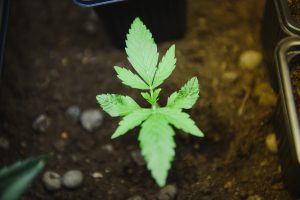 The germination phase is the first stage of a cannabis plant’s life, which lasts for 2 to 10 days. The most common methods include germinating seeds in moist paper towels or directly in soil. Optimal sprouting conditions are 50% humidity and temperatures of 70–85°F.
Vegetative Stage
Once the seedling emerges, the vegetative stage begins. This phase is crucial for developing a strong root system and foliage. Cannabis thrives in a light spectrum suited for seedlings and 60%-75% humidity. Watering should be moderate to prevent overwatering, as the plant establishes its structure for future flowering.
Pre-Flowering Stage
The pre-flowering stage prepares the plant for blooming. Growers can identify the plant’s sex by observing nodes; female plants show white pistils indicating future bud production. Consistent lighting and proper nutrients are vital during this phase.
Flowering Phase
In the flowering phase, cannabis develops its buds, lasting 7 to 14 weeks depending on the strain. Autoflowering varieties may take only 10 weeks. Trichomes change from clear to milky to amber, indicating potency. Maintaining 40%-50% humidity and phosphorus-rich nutrients is crucial at this stage.
Harvesting and Curing Process
The final stage involves harvesting and curing to enhance quality and potency. Growers check trichomes for optimal ripeness, typically milky or amber. Post-harvest, buds are hand-trimmed and hung upside down in a cool, dark room at 50%-60% humidity for 7-10 days. Curing in airtight jars follows, with daily “burping” to release carbon dioxide, preventing mold and enhancing flavor.
Understanding Cultivation Licenses
Cannabis growers face varying licensing requirements, even within states. Hemp is defined federally as cannabis with less than 0.3% THC; anything above is subject to stricter controls. States should adopt the USDA’s hemp production plan and submit tailored plans for approval. Compliance is critical to avoid penalties, including license revocation. Growers must report cultivation data to the Farm Service Agency (FSA) by July 15 annually.
Water Usage Permits and Compliance
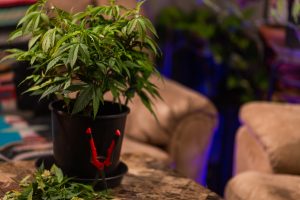 Water management is vital for cannabis cultivation. Growers often need permits for irrigation, especially in drought-affected areas. Regulatory requirements can limit water sources and usage. In California, stringent water regulations exist for cannabis farms. Non-compliance can lead to fines and operational loss, so maintaining accurate water use records supports sustainability.
Electricity Reporting and Guidelines
Energy consumption is significant in cannabis cultivation, especially for indoor growing. States may require growers to report energy use to monitor environmental impacts. For instance, Colorado encourages energy use disclosures to promote renewable energy. Efficient lighting and climate control systems help growers meet these standards and reduce operating costs.
Ideal Temperature and Humidity Levels
Cannabis thrives in controlled environments. Optimal temperatures are 65-80°F, ensuring good photosynthesis and nutrient uptake. Extreme temperatures can stress plants, hindering their growth. Ideal humidity is 40-50%, with lower levels needed late in growth to prevent mold. Consistency is key; erratic conditions can lead to mold. Tools like dehumidifiers help maintain proper humidity.
Adjusting to Outdoor or Indoor Conditions
Whether growing Cannabis indoors or outdoors, climate control is essential. Indoor setups provide greater control, while outdoor growers should monitor weather forecasts and use greenhouses or shade covers for protection. A stable climate yields more robust buds.
Cultivating cannabis requires dedication and attention to detail. Creating the right conditions and understanding the growth cycle lead to healthy plants and fruitful harvests. Success comes from combining best practices with knowledge of legal and climate factors. Stay informed and adaptable for better outcomes. Growing Cannabis offers a chance to learn, apply new techniques, and enjoy the process from seed to harvest. Use this information to enhance your growing experience and achieve success with each plant. Check on the CBD Buzz Report for updated guidelines.
