

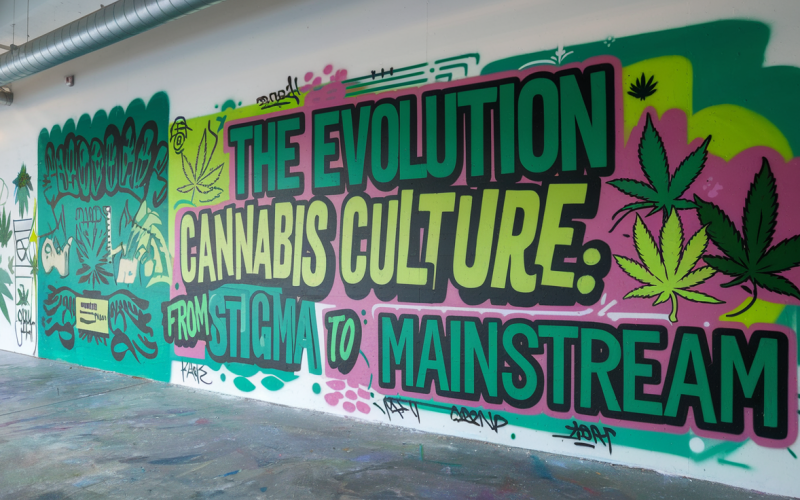
Cannabis culture has gone through dramatic changes over the last few decades. Once viewed as a liability, it is now supported by sectors like healthcare, wellness, and recreation. Legalization efforts across many U.S. states have created space for more research, product development, and commercial opportunities. At CBD Buzz Report, we share timely updates and insights as this shift unfolds—visit our platform for the latest.
Ancient Cannabis Use
The historical relationship between cannabis and human society spans thousands of years. This plant was embedded in cultural practices and used across early civilizations. Understanding its origins helps us appreciate how cannabis has come to represent more than just a product—it’s now a part of a cultural movement.
Immediate Medicinal Applications
 Cannabis has been recognized for its medicinal qualities since around 2737 BC. Chinese emperor Shen Nung was one of the earliest figures to document its use for pain relief and inflammation. In ancient India, cannabis was included in Ayurvedic medicine as a means of restoring balance between masculine and feminine energies and was used to treat a range of ailments. These applications included teas and topical remedies.
Spiritual and Ritual Importance
Cannabis also held deep spiritual meaning. In India, it became closely associated with Lord Shiva. Across Central Asia and the Middle East, archaeological evidence reveals that cannabis was used during ceremonies—smoked or ingested as part of religious and ritualistic traditions. It served as a bridge between the physical and spiritual.
Global Spread of Cannabis
As trade routes expanded, cannabis spread from Asia into the Middle East, Africa, and Europe. Each region adapted the plant to its own culture and needs. Ancient Egyptians reportedly used it for medical treatment, while the Scythians included cannabis in burial rites. These discoveries show that cannabis was seen as a valuable and versatile resource across societies.
From Agriculture to Ban: Early Shifts in Perception
Cannabis use continued for centuries, but attitudes began to shift with time. In the early 17th century, hemp was so valuable that it was required by law. In Virginia, for example, farmers were ordered to grow it to supply material for sails, rope, and clothing. At that time, cannabis was appreciated for its agricultural function—not for medical or recreational use.
Changing Legal Views and Rising Penalties
By the 20th century, cannabis was no longer seen in a positive light. In 1931, 29 U.S. states had enacted bans. Over time, penalties for possession became severe. For instance, possession of 100 cannabis plants could carry the same punishment as having 100 grams of heroin. Even a first offense could result in two to ten years of jail time and fines of up to $20,000. These legal responses showed the growing fear and resistance to cannabis.
How Propaganda Shaped Public Opinion
The 1930s brought a wave of fear-based messaging. The film Reefer Madness exaggerated cannabis use as a direct path to violence, insanity, and moral decline. This narrative spread quickly and left a lasting mark. When the United Nations issued the Single Convention on Narcotic Drugs in 1961, cannabis was labeled a Schedule I drug. This led to global restrictions and helped fuel negative perceptions.
Cultural Attitudes and the Weight of Social Stigma
The shift in cannabis culture didn’t happen overnight. Laws, media portrayals, and longstanding beliefs shaped the public mindset. These influences are still felt today.
Racial Disparities and Policy Enforcement
Cannabis-related arrests disproportionately affected racial minorities. Despite similar usage rates across groups, Black and Latino individuals faced harsher punishments. Meanwhile, cannabis use was becoming more common among white, middle-class youth, especially starting in the 1960s.
Public and Private Shame
Cannabis was treated as taboo. Parents hid their use. Schools warned students to avoid it. Society associated cannabis with recklessness. The word “stoner” carried weight—it wasn’t just a description; it was a stereotype. By the early 2000s, cannabis became closely tied to hip-hop culture. Media often linked it to negative images and racial tropes, reinforcing biased impressions.
The Media’s Impact on Cannabis Perception
The media played a central role in shaping how cannabis was seen—and later, how it was reintroduced. In the past, cannabis users were often portrayed as criminals, while white users were shown as casual or harmless. This double standard shaped generations.
Shifting Representations in Entertainment and Pop Culture
Today, cannabis is represented in a completely different light. Celebrities promote it. Musicians launch their own product lines. Influencers on platforms like TikTok and Instagram post cannabis content regularly. These portrayals help reduce stigma and open new conversations about usage, responsibility, and freedom of choice.
Legalization Has Opened the Door
While cannabis still isn’t legal nationwide, there’s been progress. The old era of “tough on drugs” is fading. Medical marijuana became the entry point, and now, recreational use is legal in more than 25 states. Canada fully legalized it in 2018.
In places where cannabis is legal, local governments have started to treat it like other industries—regulating it, taxing it, and seeing the potential for economic return. These changes have helped shift public opinion.
The Industry Is Growing Fast
As public views have changed, the cannabis market has grown. In 2021, the U.S. cannabis market reached around $61 billion in value. That number keeps climbing.
Cannabis dispensaries now look more like modern retail stores than shady corners. Product lines have expanded—now including everything from oils and topicals to drinks, edibles, and skincare. This growth isn’t just commercial—it brings jobs, supports entrepreneurs, and contributes to state budgets through taxes.
Today’s Cannabis Culture
Cannabis is no longer hidden. It’s not just accepted—it’s part of modern life. People talk openly about its benefits, share recommendations, and advocate for broader access. Conversations that once happened in secret are now held on public platforms and in mainstream media.
Still, progress is uneven. Not every state has legalized it. Federal laws remain in place. And public opinion is still split in many regions. But the shift is happening, and it’s impossible to ignore.
Where Cannabis Culture Might Go Next
Cannabis culture continues to grow and shift. Its future will be shaped by policy changes, consumer behavior, innovation, and public conversation.
At CBD Buzz Report, we’re committed to covering these developments clearly and thoughtfully. Whether it’s cannabis as a wellness option, a product category, or a source of economic opportunity—we stay on top of what matters most.
Stay informed, updated, and connected with us to everything shaping modern cannabis culture.
Let’s keep the conversation going. Together, we’re part of how this story unfolds.
